After a large casino win, stop playing and save the evidence before requesting a withdrawal. Check what is actually available to withdraw, confirm the payment details through official channels and keep a record of each step. A figure on a screen is not a guarantee of payment.
What should I do first?
- Stop placing bets; do not keep playing to round up or chase a bigger result.
- Save the game name, round ID, date, time, stake and displayed result, along with the relevant history or receipt. A balance screenshot alone is not a round record.
- Save the current game, withdrawal and any applicable bonus terms. Identify the operator and contact it through its independently accessed official site or app.
- Ask for the recognized amount, withdrawable balance, available payment methods, limits, fees and any outstanding verification.
- Store records securely outside the account as well. Do not post identity documents, full account details or payment information to prove a win.
There is no single amount that counts as a large win everywhere. A withdrawal limit, a bank’s review and a tax obligation are separate matters. No amount or bank guarantees that a payment will avoid checks.
How much can I actually withdraw?
A displayed round payout is not necessarily net profit: the stake and other relevant costs matter. The total account balance may also contain deposited cash, winnings, bonus funds or pending transactions. Even cash shown in the account is not necessarily the verified, withdrawable balance. Ask for a written breakdown rather than assuming all these figures are the same.
Check whether a payout cap applies to the game, round or promotion, and how any bonus conditions affect cash and winnings. Ask about fees, currency conversion, pending transactions and what happens to any remaining balance. A stated limit is not automatically valid or invalid in every jurisdiction. Do not make a new deposit or place more bets to unlock funds. The withdrawal guide covers the request itself.
What records should I keep?
Keep deposit receipts, account and round history, applicable rules and bonus terms, the operator’s calculation, withdrawal requests and their status, payment references, and bank or payment-provider statements showing what arrived. Keep any tax or withholding documents too. If payment is made in parts, match each receipt to its request and the remaining balance.
These records help explain the chain of funds; they do not guarantee that a bank or authority will accept them without further questions. Keep personal records private and share them only through a verified, appropriate channel.
What if the operator asks for ID or financial information?
Identity, payment ownership and source-of-funds checks are different. Ask what is outstanding, why it is needed and how to submit only the necessary information securely. Confirm the request through the operator’s official channel; do not send passwords, PINs, card security codes or one-time codes to support. See verification and privacy and personal information.
For example, the Great Britain Gambling Commission’s player guide, last updated 13 April 2022, describes identity and financial checks, including bank statements for source-of-funds checks. It is specific to the relevant Great Britain regime, not a universal document list or approval of every request.
Which bank or payment method should I use?
There is no universally safe bank or guaranteed way to prevent a review. Use an eligible account belonging to you, and independently ask the receiving provider whether it can accept the payment, what details or documents it needs and what fees apply. Confirm the method and recipient with the operator before submitting a request. If the sender differs from the operator, ask for an explanation and evidence of the connection.
Describe the transaction truthfully. Do not use someone else’s account or split transfers to evade checks. If the operator has a legitimate installment schedule under its terms, ask for the total recognized amount, amounts and dates of installments, fees, references and remaining balance. An official schedule is different from splitting transfers to avoid scrutiny; neither guarantees payment.
If your bank restricts a transaction or account, ask through its official channel what is affected, what information it needs and how to request a review. Keep the case reference and give an accurate explanation with relevant records. A bank inquiry is not advance approval of a payment. For an unclear or significant dispute, consider qualified legal advice.
What about tax?
Tax rules depend on location, tax residence and the type of income. Withholding, if any, is not necessarily the final obligation. Keep the dates, amounts, currency, payer details and any withholding records; ask a qualified tax professional about your circumstances rather than treating the entire withdrawal or a simple deposit-minus-withdrawal difference as the taxable amount.
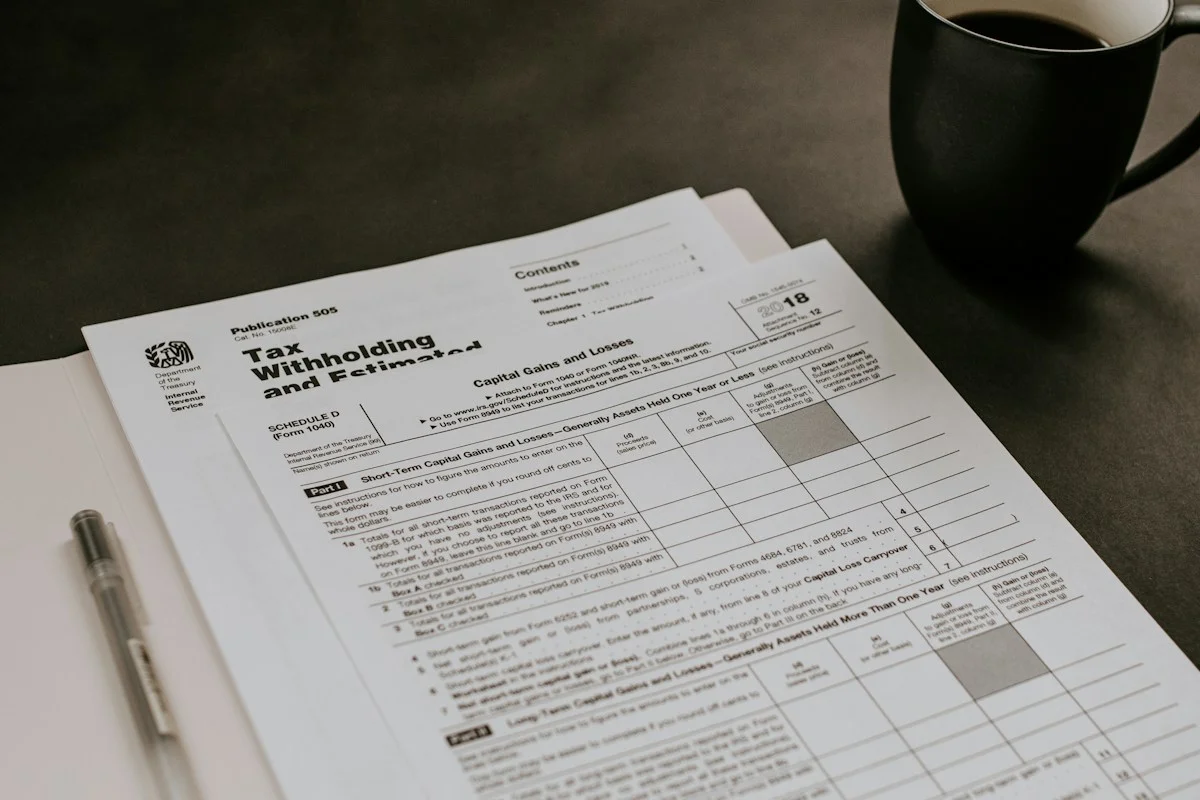
As a limited US federal example, the IRS guide to gambling income and losses, updated 9 November 2026, discusses reporting by casual gamblers and distinguishes nonresident situations. It is not a guide to every country’s or US state’s rules. Never send a supposed tax payment to a person in chat on a promise to release a win; independently verify any obligation, recipient and payment procedure.
What if the casino delays or refuses payment?
Save a timeline and ask for a written reason, calculation and status of each request. An operator’s claim that a payment was sent is not proof that it arrived; check with the receiving provider using the payment reference. Do not pay an activation, insurance or voucher fee, make another deposit, or continue playing to release funds. See withdrawal delays and how to make a complaint.
How can I protect the money afterward?
Do not treat a one-off win as regular income or make irreversible commitments before the money arrives. Consider obligations and possible taxes before spending. Avoid unsolicited offers to invest, manage or increase the win, and do not publicize personal or full account details. If you want to stop gambling, ask about self-exclusion and separately resolve any remaining withdrawal; see closing an account. Do not try to bypass self-exclusion, age, location or identity checks.
This is general information, not a guarantee of a payout or individual legal, banking or tax advice.